
General Ledger vs Legal Billing Systems: Why Law Firms Need Both
Law firms often assume that accounting software alone is enough to manage financial operations.
At first glance, a general ledger appears to cover everything:
- Revenue tracking
- Expense management
- Financial reporting
- Bank reconciliation
- Profit and loss statements
- Balance sheets
But legal operations introduce an entirely different layer of financial complexity.
Written by Knowledge Team, posted on May 29, 2026

Law firms do not simply sell products or services. They manage matters, retainers, trust funds, billable time, contingency fees, client cost recovery, split billing arrangements, and compliance-driven accounting requirements.
This is where many firms discover the difference between a general ledger and a legal billing system.
Understanding this distinction is critical because relying solely on accounting software can create operational inefficiencies, billing errors, compliance risks, and revenue leakage.
What Is a General Ledger?
A general ledger (GL) is the financial backbone of an accounting system.
It stores and organizes all financial transactions into accounts such as:
- Assets
- Liabilities
- Equity
- Revenue
- Expenses
The general ledger enables organizations to produce standard financial reports including:
- Profit and loss statements
- Balance sheets
- Cash flow statements
- Trial balances

Most accounting systems are built around the general ledger.
Examples include:
- QuickBooks
- Sage
- Xero
- Microsoft Dynamics
- NetSuite
While these platforms are strong accounting systems, they are not purpose-built law firm accounting software platforms designed for legal operations.
The general ledger is designed for business accounting.
Its purpose is to answer questions such as:
- How profitable is the business?
- What are the company’s expenses?
- What taxes are owed?
- What are the cash balances?
- What liabilities exist?
For most businesses, this structure is sufficient.
For law firms, it is not.
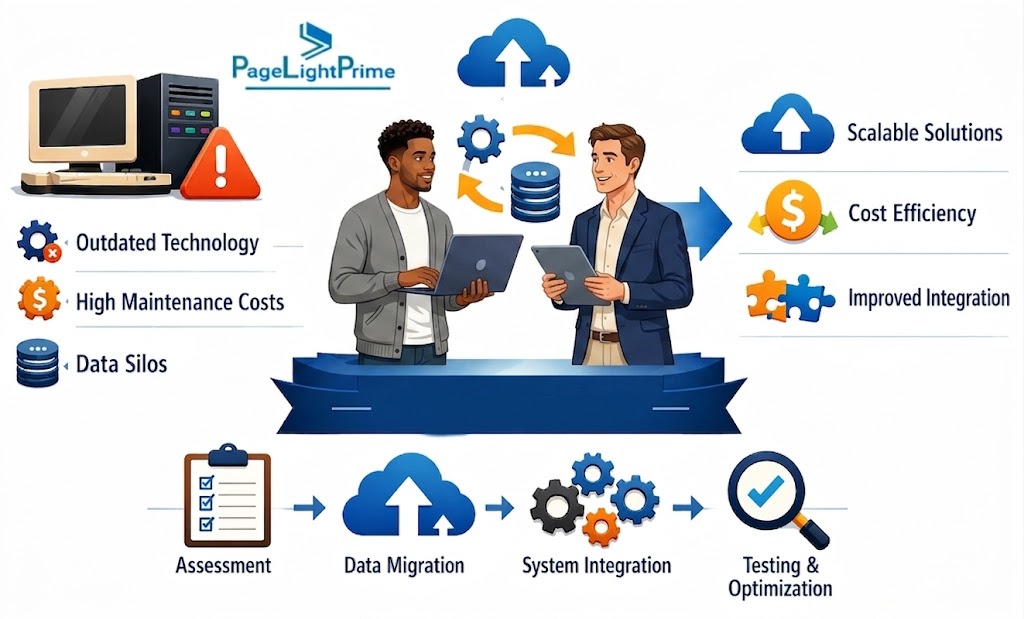
What Is a Legal Billing System?
A legal billing system is purpose-built software designed specifically for legal operations.
Modern legal accounting software increasingly combines legal billing, trust accounting, law firm financial management, and matter operations into unified platforms designed specifically for law firms.
Unlike a standard accounting platform, legal billing systems manage the relationship between:
- Matters
- Clients
- Timekeepers
- Billable activities
- Trust accounts
- Retainers
- Compliance rules
- Legal invoices
- Cost recovery
- Matter profitability
Legal billing systems operate at the matter level.
This is a critical distinction.
A general ledger tracks business transactions.
A legal billing system tracks legal work.
That difference changes everything.

The Core Difference: Transaction Accounting vs Matter Accounting
The biggest difference between a general ledger and a legal billing system is the operational model.
General Ledger Focus
A general ledger focuses on:
- Financial accounts
- Accounting periods
- Revenue categories
- Expense categories
- Company-wide reporting
It answers:
- How much revenue was earned?
- What were the expenses?
- What is the net income?

Legal Billing System Focus
A legal billing system focuses on:
- Individual matters
- Client engagements
- Time tracking
- Billing rules
- Retainer usage
- Trust movements
- Attorney productivity
- Matter-level profitability
It answers:
- Which attorney worked on the matter?
- How much time was billable?
- Which costs are reimbursable?
- What trust balance belongs to the client?
- Which invoices remain unpaid?
- What is the WIP balance?
- Which matters are profitable?
A general ledger sees accounting.
A legal billing system sees legal operations.

What Is the Difference Between Legal Billing Software and Accounting Software?
One of the most common questions law firms ask is whether legal billing software and accounting software are the same thing.
They are not.
Although the two systems are closely related, they solve fundamentally different problems.
Accounting software is designed to manage business finances.
Legal billing software is designed to manage legal operations and client billing workflows.
This distinction becomes increasingly important as firms grow.
Small firms sometimes attempt to operate entirely inside standard accounting platforms such as QuickBooks or Sage.
Initially, this may appear manageable.

However, over time, firms encounter operational limitations involving:
- Matter-centric billing
- Time tracking
- Trust accounting
- Retainer management
- WIP tracking
- LEDES billing
- Split billing arrangements
- Attorney productivity reporting
- Legal compliance workflows
These are not traditional accounting functions.
They are legal operational functions.

Accounting Software Focuses on Financial Accounting
Accounting software primarily manages:
- Revenue and expenses
- General ledger accounting
- Accounts payable
- Accounts receivable
- Financial statements
- Bank reconciliation
- Tax reporting
- Cash management
The system is structured around financial accounts and accounting periods.
Its primary purpose is to answer business accounting questions such as:
- What is the company’s profitability?
- What are the operating expenses?
- What liabilities exist?
- What taxes are owed?
- What is the current cash position?
This is essential for every business, including law firms.
But accounting software typically lacks deep legal workflow functionality.

Legal Billing Software Focuses on Matter Operations
Legal billing software is built specifically for the practice of law.
It focuses on:
- Client matters
- Billable time
- Attorney activity
- Legal invoices
- Trust accounting
- Retainers
- Expense recovery
- Billing realization
- Collection realization
- Matter profitability
Unlike traditional accounting systems, legal billing software operates around the lifecycle of a legal matter.

This enables firms to manage:
- Time entry workflows
- Prebill review
- Billing approvals
- Matter-specific rates
- Alternative fee arrangements
- Client-specific invoice formats
- Electronic legal billing standards
The operational model is entirely different from standard business accounting.
Why QuickBooks Alone Is Often Not Enough for Law Firms
Many firms search for terms such as:
- Legal accounting software vs QuickBooks
- Can QuickBooks handle law firm accounting?
- Best accounting software for law firms

The reason is simple.
QuickBooks and similar accounting systems are excellent small business accounting platforms.
But they were not designed for:
- Legal trust accounting
- Matter-centric billing
- WIP management
- LEDES billing
- Legal compliance requirements
- Timekeeper productivity reporting
- Complex legal invoice workflows
As firms grow, these operational gaps become increasingly difficult to manage.
This is why many firms eventually adopt either:
- Separate legal billing systems integrated with accounting software
- Or fully integrated legal accounting platforms

Law Firm Billing vs Accounting: Why the Difference Matters
Law firm billing is operational.
Accounting is financial.
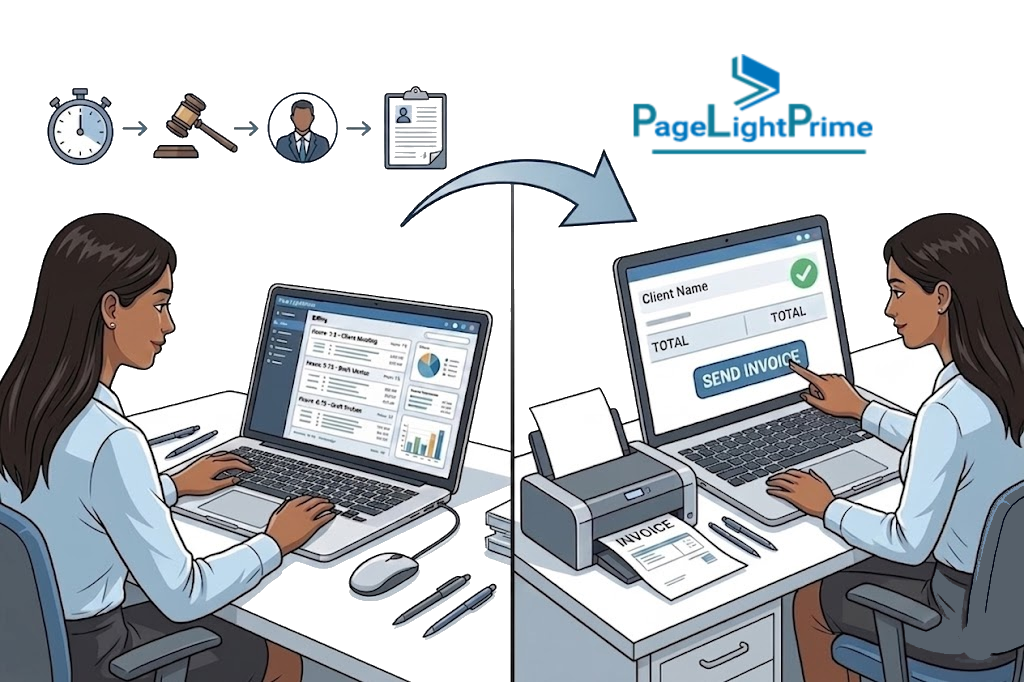
A billing system manages the production of legal revenue.
An accounting system manages the reporting of financial activity.
This distinction is critical because operational inefficiencies often impact profitability long before accounting reports reveal the problem.
For example:
- Missing time entries reduce revenue
- Delayed invoicing slows cash flow
- Aging WIP reduces realization
- Poor trust tracking creates compliance risk
- Billing errors delay collections
General accounting software may record the financial outcome.
But legal billing systems help firms manage the operational causes.

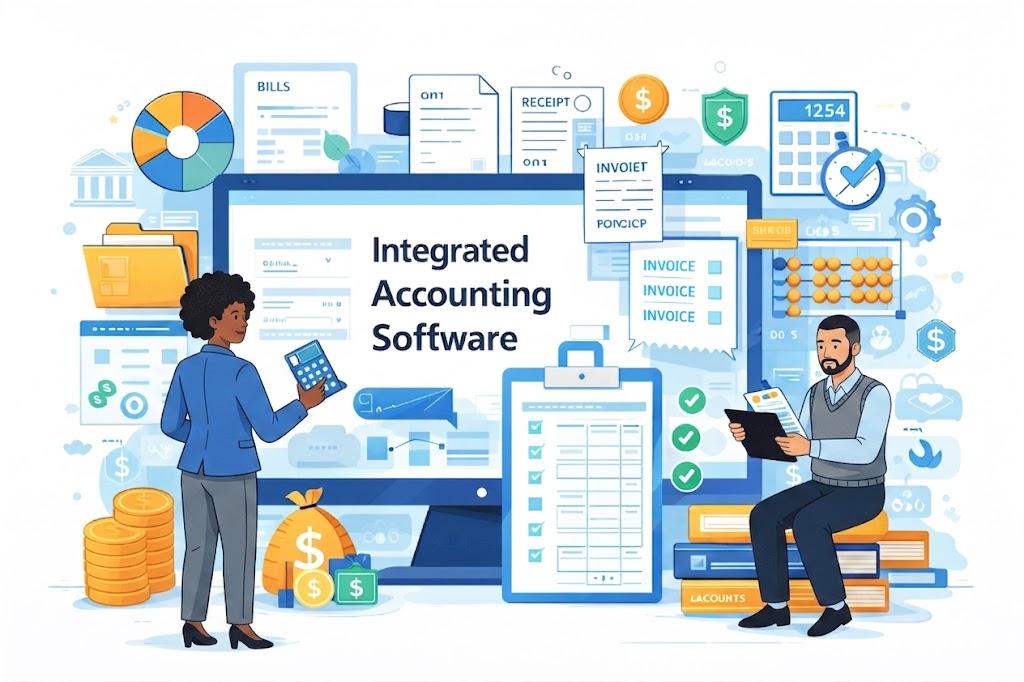
Why Modern Law Firms Prefer Integrated Platforms
Today’s firms increasingly seek matter integrated law firm accounting platforms that combine:
- General ledger accounting
- Legal billing
- Trust accounting
- Matter management
- Time tracking
- Financial reporting
Inside a unified system.
This reduces:
- Duplicate data entry
- Integration failures
- Reconciliation issues
- Reporting inconsistencies
- Operational fragmentation

It also provides firms with real-time visibility into both financial performance and legal operations.
Understanding the difference between legal billing software and accounting software is therefore not simply a technology discussion.
It is a decision that directly affects:
- Profitability
- Compliance
- Billing efficiency
- Cash flow
- Operational scalability

Why Law Firms Cannot Rely on General Ledger Software Alone
Many law firms initially attempt to use accounting software as a complete operational platform.
This usually works only for very small firms with simple workflows.
As the firm grows, operational gaps become unavoidable.
Missing Matter-Centric Accounting
General ledger systems are not designed around legal matters.
Law firms need:
- Matter-level revenue
- Matter-level expenses
- Matter-level trust tracking
- Matter-level profitability
- Matter-specific billing arrangements
Traditional accounting software does not naturally support these workflows.

Limited Time Tracking
Legal billing depends heavily on accurate time capture.
Accounting systems generally lack:
- Timer workflows
- Activity codes
- Narrative generation
- Prebill review
- Time approval workflows
- Rate tables
- Split time allocations
Without proper time management, firms lose billable revenue.
Weak Trust Accounting Controls
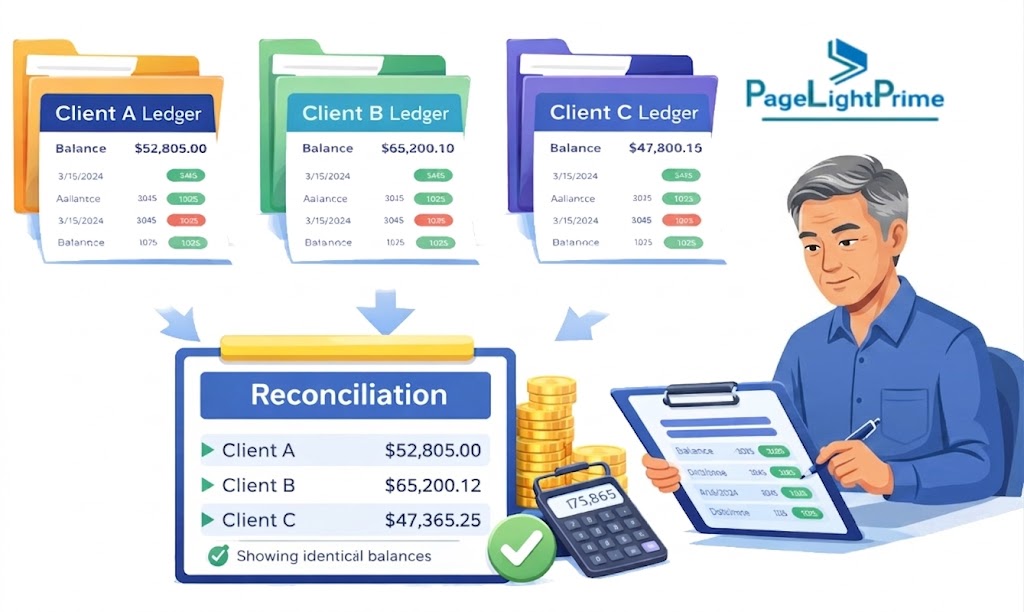
Trust accounting is one of the most important compliance requirements for law firms.
As a result, many firms specifically evaluate trust accounting software capabilities when selecting legal finance software or integrated legal accounting platforms.
General accounting systems are not purpose-built for:
- IOLTA management
- Three-way trust reconciliation
- Client trust segregation
- Matter-specific trust ledgers
- Retainer tracking
- Trust-to-operating transfers
This creates serious compliance risk.

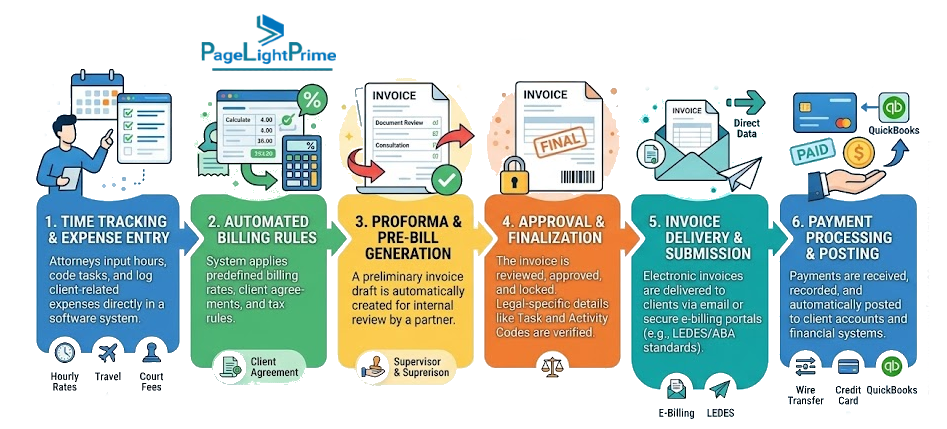
No Legal Invoice Workflow
Legal invoices are far more complex than standard invoices.
This is why many firms adopt dedicated attorney billing software or legal invoicing software rather than relying entirely on generic accounting platforms.
Law firms often require:
- LEDES billing
- UTBMS codes
- Split billing
- Batch billing
- Insurance billing
- Contingency tracking
- Alternative fee arrangements
- Electronic billing submissions
General accounting systems rarely support these workflows effectively.
Lack of Work-in-Progress (WIP) Management
WIP is a core operational metric in legal practice.
Law firms need visibility into:
- Unbilled time
- Unbilled expenses
- Aging WIP
- Billing realization
- Collection realization
General ledgers are not designed for operational WIP management.
Why Legal Billing Systems Alone Are Also Not Enough
The reverse is also true.
A legal billing system by itself is usually insufficient for complete business accounting.
Many legal billing platforms are strong operationally but weak financially.
For example, some legal practice management systems provide:
- Time tracking
- Matter management
- Legal invoicing
- Trust accounting
But may lack:
- Advanced financial reporting
- Multi-entity accounting
- Budgeting
- Consolidation
- Fixed asset management
- Advanced tax reporting
- GAAP-compliant accounting
This is why many firms historically combined:
- A legal billing system
- A separate accounting platform
However, maintaining separate systems introduces its own problems.

The Problem with Separate Legal Billing and Accounting Systems
Many firms operate with disconnected systems such as:
- Legal practice management software
- Time and billing software
- QuickBooks or another accounting platform
- Spreadsheet-based reconciliation
This creates operational fragmentation.
Duplicate Data Entry
Staff often enter the same information multiple times.
Examples include:
- Client information
- Matter details
- Invoice records
- Payment entries
- Trust transactions
Duplicate entry increases labor costs and error rates.

Synchronization Failures
Integrations between legal billing systems and accounting software are often imperfect.
Common issues include:
- Delayed syncs
- Failed transactions
- Mapping errors
- Duplicate records
- Inconsistent balances
- Broken trust reconciliation
Over time, firms lose confidence in the data.
Read about Clio and QuickBooks integration issues and why data integrity is important for compliance and partners.
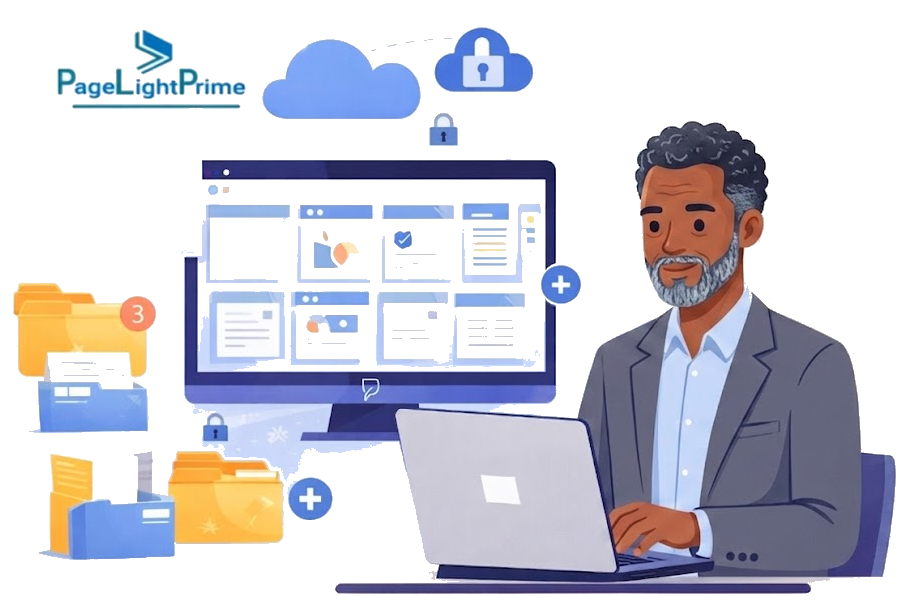
Reporting Gaps
When systems are disconnected, reporting becomes fragmented.
Partners may struggle to answer questions such as:
- What is the profitability of a matter?
- Which practice areas generate the highest margins?
- What is the realization rate by attorney?
- How much WIP is aging beyond 90 days?
- Which clients consistently delay payment?
Data often must be manually combined.
Increased Compliance Risk
Disconnected trust accounting processes create significant audit risk.
Even small synchronization failures can lead to:
- Out-of-balance trust accounts
- Missing client ledger activity
- Incorrect trust transfers
- Inaccurate reconciliation reports
For law firms, these are not minor operational issues.
They are regulatory risks.

The Rise of Integrated Legal Accounting Platforms
Modern law firms are increasingly moving toward integrated legal accounting platforms.
These law firm practice management software increasingly function as legal ERP systems that unify accounting, billing, matter management, reporting, and compliance operations inside a single environment.
These systems combine:
- General ledger accounting
- Legal billing
- Matter management
- Trust accounting
- Financial reporting
- Time tracking
- Client accounting
- Operational reporting
Inside a single platform.
This approach eliminates many of the inefficiencies created by disconnected systems.

What an Integrated Legal Accounting System Should Include
A modern legal accounting platform should support both accounting and operational workflows.
General Ledger Features
The platform should provide:
- Chart of accounts
- Accounts payable
- Accounts receivable
- Bank reconciliation
- Financial statements
- Budgeting
- Journal entries
- Multi-period reporting
Legal Billing Features
The platform should also support:
- Matter-centric billing
- Time capture
- Expense recovery
- Trust accounting
- Retainer management
- LEDES billing
- Split billing
- Billing templates
- Prebill workflows
- WIP tracking

Matter-Centric Financial Visibility
One of the biggest advantages of integrated systems is visibility.
Firms can analyze:
- Matter profitability
- Practice area profitability
- Attorney utilization
- Billing realization
- Collection realization
- Client profitability
- Revenue leakage
In real time.

General Ledger vs Legal Billing Systems: Side-by-Side Comparison
| Capability | General Ledger | Legal Billing System |
|---|---|---|
| Financial Statements | Yes | Limited |
| Profit & Loss Reporting | Yes | Limited |
| Time Tracking | No | Yes |
| Matter Management | No | Yes | Legal Invoice Workflows | No | Yes | Trust Accounting | Limited | Yes | Retainer Tracking | Limited | Yes | WIP Management | No | Yes | LEDES Billing | No | Yes | Attorney Productivity Reporting | No | Yes | Matter Profitability | Limited | Yes | Client Cost Recovery | No | Yes | Compliance-Focused Accounting | Limited | Yes | GAAP Accounting | Yes | Limited | Tax Reporting | Yes | Limited |
Why Do Law Firms Need Matter-Centric Accounting?
Matter-centric accounting is one of the defining differences between traditional business accounting and legal practice accounting.
Most accounting systems are built around financial accounts.
Law firms, however, operate around matters.
Every client engagement introduces operational and financial activity tied to a specific legal matter, including:
- Billable time
- Trust balances
- Retainers
- Expenses
- Invoices
- Collections
- Attorney activity
- Settlement allocations
- Compliance requirements
This is why law firms increasingly require matter-centric accounting rather than generic accounting workflows.

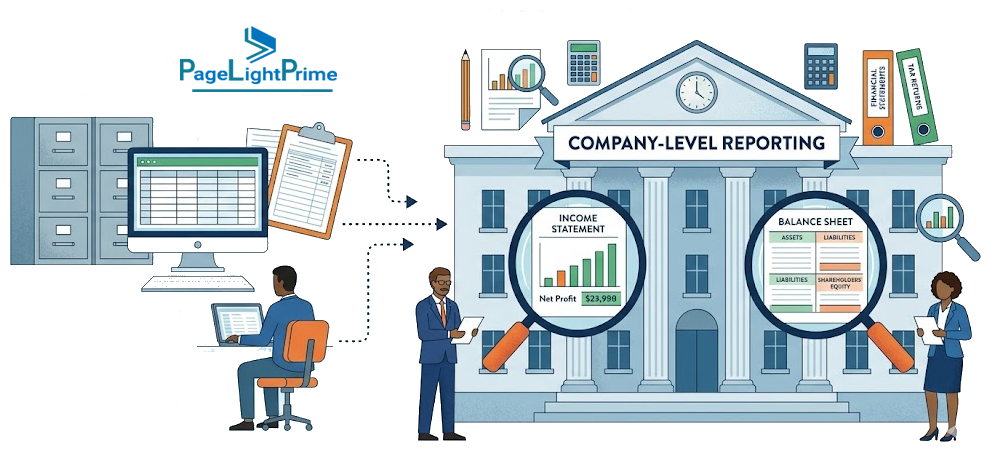
Traditional Accounting Systems Focus on Company-Level Reporting
Standard accounting software is designed to answer business-wide financial questions such as:
- What is total revenue?
- What are operating expenses?
- What is net income?
- What liabilities exist?
- What are cash balances?
While these metrics are important, they do not provide operational visibility into how legal work is actually performed.
For example, traditional accounting systems typically cannot easily answer:
- Which matters are most profitable?
- Which attorneys generate the highest realization rates?
- Which practice areas underperform financially?
- Which matters have aging WIP?
- Which clients consistently delay payment?
- Which retainers are nearing depletion?
Matter-centric accounting addresses these operational gaps.
Matter-Centric Accounting Connects Financial Data to Legal Operations
Matter-centric accounting links every financial transaction directly to a legal matter.
This creates significantly better operational visibility.
Firms can analyze:
- Revenue by matter
- Expenses by matter
- Trust balances by matter
- WIP by matter
- Collections by matter
- Profitability by matter
- Billing realization by matter
- Attorney utilization by matter
Instead of viewing accounting only at the company level, firms gain insight into the operational drivers behind profitability.
Why Matter Profitability Matters
Many law firms focus heavily on revenue growth.
However, effective law firm financial management requires firms to understand not only revenue generation, but also operational profitability at the matter level.
But revenue alone does not determine profitability.
Two matters generating identical revenue may produce very different margins depending on:
- Attorney staffing
- Time realization
- Write-downs
- Collection rates
- Administrative overhead
- Expense recovery
- Billing delays
Matter-centric accounting enables firms to identify:
- High-margin matters
- Low-margin practice areas
- Inefficient staffing models
- Chronic write-off patterns
- Revenue leakage
This operational intelligence is difficult to achieve inside traditional general ledger systems.

Matter-Centric Accounting Improves Trust Accounting Accuracy
Trust accounting is one of the most compliance-sensitive functions inside a law firm.
Law firms must maintain:
- Client-specific trust balances
- Matter-specific trust ledgers
- Retainer tracking
- Trust disbursement history
- Three-way reconciliation
Matter-centric accounting simplifies these workflows by directly associating trust activity with the relevant matter.
This reduces:
- Reconciliation errors
- Misapplied retainers
- Incorrect transfers
- Compliance exposure

Why AI and Modern Reporting Depend on Matter-Centric Data
Modern legal operations increasingly rely on analytics and AI-driven reporting.
However, AI systems are only as useful as the quality and structure of the underlying data.
Matter-centric accounting creates structured operational data that enables:
- Profitability analysis
- Predictive financial reporting
- Resource allocation analysis
- Billing trend analysis
- Collection forecasting
- Practice area benchmarking
Without matter-level financial structure, firms often lack the operational visibility required for meaningful analytics.

Matter-Centric Accounting Supports Firm Scalability
As law firms grow, operational complexity increases rapidly.
Firms must manage:
- More attorneys
- More matters
- More billing arrangements
- More trust transactions
- More compliance requirements
- More reporting expectations
Matter-centric accounting creates operational consistency and scalability by ensuring that financial workflows remain tied directly to legal work.
This becomes especially important for:
- Multi-office firms
- Litigation practices
- Contingency-based firms
- Insurance defense firms
- Corporate transactional firms
- High-volume practice areas

Why Matter-Centric Accounting Is Becoming a Competitive Advantage
Modern law firms increasingly compete on operational efficiency as much as legal expertise.
Firms that lack visibility into:
- Matter profitability
- Billing efficiency
- Utilization rates
- WIP aging
- Collection performance
Often struggle with margin pressure even when revenue appears strong.
Matter-centric accounting helps firms move beyond basic bookkeeping into operational intelligence.
This is why many firms now view matter-centric accounting not simply as an accounting feature, but as a strategic operational capability.

Why Matter-Centric Accounting Matters
Most law firm profitability problems are not caused by poor accounting.
They are caused by poor operational visibility.
For example:
- Unrecorded billable time
- Delayed invoicing
- Aging WIP
- Uncollected receivables
- Incorrect trust transfers
- Underperforming practice areas
- Low realization rates
General ledger systems rarely expose these operational weaknesses.
Matter-centric legal billing systems do.
This is why legal accounting requires more than bookkeeping.
It requires operational intelligence.

Common Misconceptions About Legal Accounting Software
“QuickBooks Is Enough for a Small Law Firm”
QuickBooks can handle basic accounting.
But it does not provide comprehensive legal operations management.
As firms grow, they typically encounter:
- Billing inefficiencies
- Trust accounting complexity
- Reporting limitations
- Workflow fragmentation
- Integration challenges
“Integrations Solve Everything”
Many firms assume integrations eliminate operational gaps.
In reality, integrations often introduce:
- Sync delays
- Data inconsistency
- Reconciliation problems
- Duplicate records
- Support complexity
Integrated platforms usually reduce operational friction significantly.

“Legal Billing Is Just Invoicing”
Legal billing is far more complex than standard invoicing.
It involves:
- Ethical compliance
- Trust management
- Matter accounting
- Billing realization
- Time capture discipline
- Alternative fee arrangements
- Client-specific billing rules
This is operational infrastructure, not simple invoicing.
How Modern Law Firms Evaluate Legal Accounting Platforms
Today’s firms increasingly evaluate software based on:
Unified Data Architecture
Firms want:
- One database
- One client record
- One matter record
- One financial system
Rather than multiple disconnected applications.
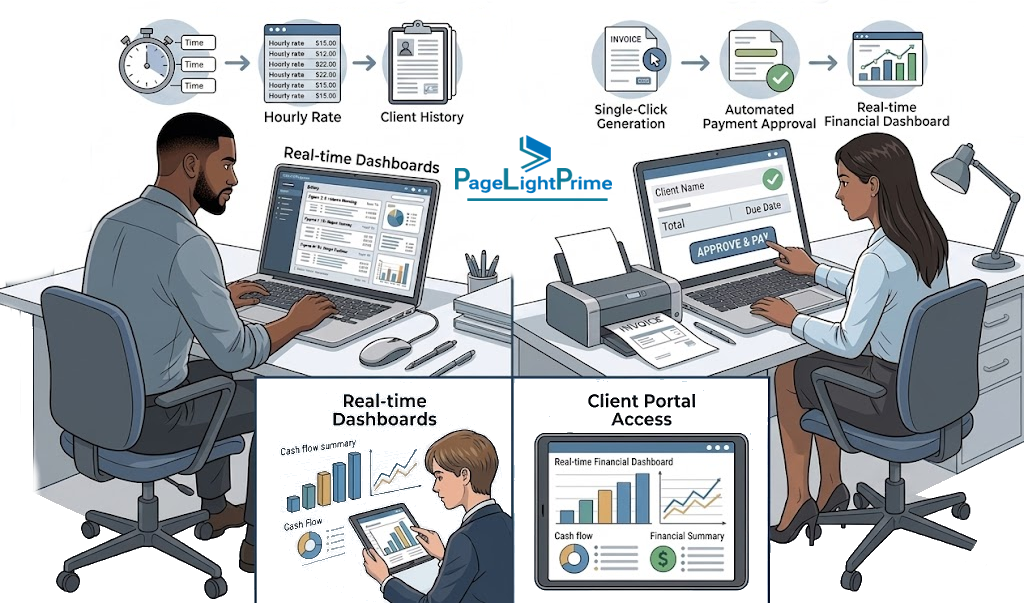
Real-Time Financial Visibility
Leadership teams want instant visibility into:
- Cash flow
- WIP
- Trust balances
- Collections
- Profitability
- Attorney performance
Reduced Administrative Overhead
Integrated systems reduce:
- Manual reconciliation
- Duplicate data entry
- Spreadsheet dependency
- Sync troubleshooting
Compliance Confidence
Firms increasingly prioritize:
- Trust accounting controls
- Audit trails
- Segregation of funds
- Automated reconciliation
- Role-based permissions

The Future of Legal Accounting
The legal industry is moving toward unified operational platforms.
Historically, firms operated with separate:
- Practice management systems
- Billing systems
- Accounting systems
- CRM platforms
- Document management solution
This created fragmented data silos.
Modern legal operations increasingly favor:
- Unified workflows
- Matter-centric accounting
- Real-time reporting
- Embedded compliance controls
- Integrated financial operations
The distinction between accounting software and legal operations software is becoming more important, not less.
Because firms now compete not only on legal expertise, but also on operational efficiency.

Legal Accounting Software vs Practice Management Software
One of the most common sources of confusion in legal technology is the difference between legal accounting software and legal practice management software.
Many law firms assume these systems are interchangeable.
They are not.
Although modern legal platforms increasingly combine both capabilities, the two systems traditionally serve different operational purposes.
Understanding the distinction is important when evaluating:
- Law firm accounting software
- Legal billing platforms
- Matter management systems
- Legal ERP solutions
- Integrated legal accounting systems

What Is Legal Practice Management Software?
Legal practice management software is designed to help firms manage the operational side of legal work.
Typical features include:
- Matter management
- Document management
- Calendaring
- Task management
- Workflow automation
- Contact management
- Client communication
- Deadline tracking
- Case activity management
The primary focus is operational coordination.
Practice management systems help firms organize legal work and improve administrative efficiency.
Many modern platforms also include:
- Time tracking
- Basic billing
- Document automation
- Client portals
- Workflow reporting
However, practice management software alone is often insufficient for comprehensive legal accounting.

What Is Legal Accounting Software?
Legal accounting software focuses on the financial and compliance side of legal operations.
Its primary purpose is to manage:
- General ledger accounting
- Trust accounting
- Retainer management
- Legal billing
- Attorney billing workflows
- Financial reporting
- Matter profitability
- Accounts receivable
- Accounts payable
- WIP management
Unlike generic accounting systems, legal accounting software is specifically designed to support law firm financial management.
This includes compliance-sensitive workflows such as:
- Client trust accounting
- Three-way reconciliation
- Matter-centric accounting
- Legal invoicing software requirements
- Billing realization reporting
- Collection tracking
Practice Management Software vs Legal Accounting Software
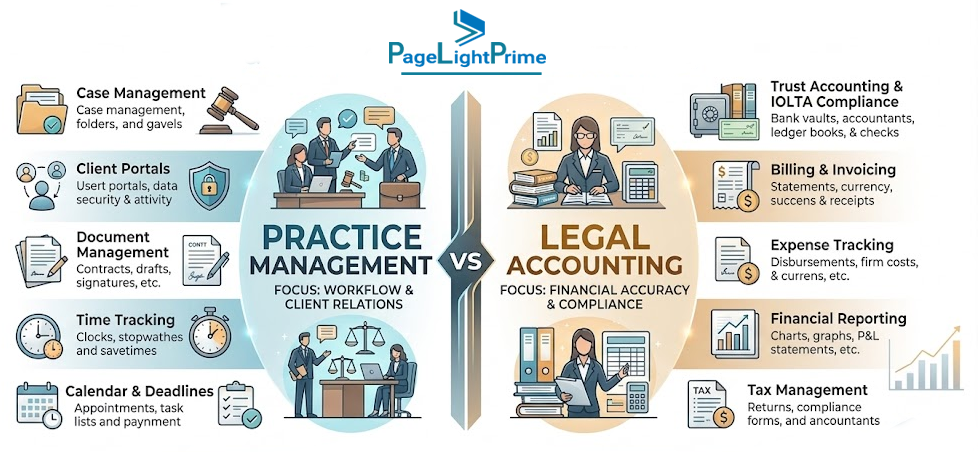
The core difference is operational focus.
Practice management software manages legal work.
Legal accounting software manages legal financial operations.
A practice management system may help attorneys:
- Track deadlines
- Organize documents
- Manage case workflows
- Coordinate communications
A legal accounting system helps firms:
- Track trust balances
- Generate legal invoices
- Manage billing workflows
- Analyze matter profitability
- Monitor collections
- Maintain compliance records
The systems are related, but they solve different business problems.
Why Many Firms Need Both
Most modern law firms require both:
- Practice management capabilities
- Legal accounting capabilities
This is why many vendors increasingly position themselves as integrated legal ERP platforms.
Rather than operating separate systems for:
- Accounting
- Billing
- Matter management
- Reporting
- Client management
Firms increasingly prefer unified platforms that combine operational and financial workflows.

The Problem with Disconnected Systems
Historically, firms often implemented:
- One system for practice management
- Another system for legal billing
- A separate accounting platform
- Additional reporting tools
This fragmented approach frequently created:
- Duplicate data entry
- Reporting inconsistencies
- Billing delays
- Sync failures
- Compliance risks
- Operational inefficiencies
For example, matter information may exist in one system while financial activity resides in another.
This separation makes it difficult to produce unified operational reporting.

Why Integrated Legal Platforms Continue to Grow
Modern law firms increasingly prioritize integrated legal accounting and practice management platforms.
Integrated systems help firms centralize:
- Matter data
- Financial records
- Billing workflows
- Trust accounting
- Operational reporting
- Attorney productivity metrics
Inside a single environment.
This improves:
- Reporting accuracy
- Billing efficiency
- Financial visibility
- Operational scalability
- Compliance oversight

Choosing Between Practice Management and Legal Accounting Software
When evaluating software, firms should determine whether the platform adequately supports both:
- Operational workflows
- Financial workflows
A practice management platform with limited accounting features may not support complex trust accounting requirements.
Similarly, accounting software without matter management functionality may lack operational visibility.
The best systems increasingly combine:
- Matter management
- Attorney billing software
- Legal finance software
- Trust accounting software
- Operational reporting
- Financial management
Into a unified legal operations platform.
For many firms, the future of legal technology is no longer separate systems connected through integrations.
It is integrated legal accounting and practice management operating together as a unified legal ERP architecture.

What Is the Best Accounting System for Law Firms?
One of the most common technology questions law firms ask is:
What is the best accounting system for law firms?
The answer depends on the firm’s:
- Size
- Practice areas
- Billing complexity
- Compliance requirements
- Growth strategy
- Operational maturity
However, modern law firms increasingly evaluate accounting systems using a very different set of criteria than traditional businesses.
The best accounting system for a law firm is not simply the one with the strongest bookkeeping features.
Increasingly, firms evaluate whether the platform functions as comprehensive legal accounting software capable of supporting both financial accounting and legal operations.
It is the platform that best supports legal operations, compliance, billing efficiency, and matter profitability.

Trust Accounting Capabilities
Trust accounting is one of the most important evaluation criteria for legal accounting software.
Law firms require systems capable of supporting:
- Matter-specific trust ledgers
- Client fund segregation
- Retainer management
- Three-way reconciliation
- Automated trust reporting
- Trust-to-operating transfers
- Audit-ready financial records
Many generic accounting platforms require extensive customization to support legal trust accounting requirements.
Purpose-built legal accounting systems are typically far better aligned with these workflows.

Billing Workflow Management
Legal billing is operationally complex.
The best accounting systems for law firms must support:
- Time tracking
- Prebill review
- Billing approvals
- LEDES billing
- UTBMS codes
- Split billing
- Alternative fee arrangements
- Contingency billing
- Batch invoice processing
- Electronic billing submissions
Billing workflow inefficiencies directly impact:
- Cash flow
- Realization rates
- Collection performance
- Client satisfaction
This is why legal billing functionality is often just as important as general accounting capability.

Integration Architecture
Many law firms historically operated with multiple disconnected systems, including:
- Accounting software
- Legal billing systems
- Practice management platforms
- CRM applications
- Document management systems
While integrations can connect these systems, firms frequently encounter:
- Sync failures
- Data inconsistencies
- Duplicate records
- Reconciliation complexity
- Reporting fragmentation
As a result, firms increasingly prioritize unified or tightly integrated architectures.
The best accounting systems for law firms often provide:
- Shared databases
- Real-time synchronization
- Matter-centric data models
- Unified reporting
- Embedded compliance workflows
Integrated architecture reduces operational overhead while improving data reliability.

Matter Profitability Reporting
Modern law firms increasingly evaluate software based on profitability visibility.
Revenue alone does not provide a complete picture of financial performance.
Firms also need insight into:
- Billing realization
- Collection realization
- WIP aging
- Write-offs
- Staffing efficiency
- Practice area margins
- Client profitability
- Attorney utilization
The best accounting systems for law firms provide matter-centric profitability reporting that connects operational activity directly to financial outcomes.
This helps leadership teams make better decisions regarding:
- Staffing
- Pricing
- Practice area investment
- Client selection
- Resource allocation

Operational Reporting and Real-Time Visibility
Traditional accounting reports are no longer sufficient for many modern firms.
Law firm leadership increasingly expects real-time operational visibility into:
- WIP balances
- Trust balances
- Collections
- Cash flow
- Attorney productivity
- Billing pipeline
- Aging receivables
- Financial performance by matter
Operational reporting helps firms identify inefficiencies before they become profitability problems.
This is one reason why modern legal accounting platforms increasingly combine:
- Accounting
- Billing
- Matter management
- Reporting
- Compliance controls
Inside a single system.
Cloud-Based Legal Accounting Platforms Continue to Grow
The legal industry continues shifting toward cloud-based legal accounting systems.
Modern cloud-based legal ERP and legal finance software platforms often provide:
- Remote accessibility
- Centralized data
- Easier collaboration
- Faster updates
- Reduced infrastructure costs
- Improved scalability
For growing firms, cloud-based platforms can simplify operational management while improving reporting consistency.

Choosing the Right Legal Accounting System
The best accounting system for a law firm ultimately depends on whether the platform supports both:
- Financial accounting
- Legal operational workflows
Firms evaluating legal accounting software should look beyond bookkeeping functionality alone.
They should evaluate whether the system supports:
- Trust accounting
- Matter-centric reporting
- Billing workflows
- Operational analytics
- Integrated architecture
- Compliance management
- Real-time financial visibility
Because legal accounting is no longer just about recording transactions.
It is increasingly about managing the operational economics of legal practice.

How modern platforms like PageLightPrime are changing Legal Accounting
The legal industry is rapidly moving away from fragmented software stacks that require firms to maintain separate systems for:
- Accounting
- Legal billing
- Trust accounting
- Matter management
- CRM
- Reporting
- Document management
Historically, many firms operated with combinations such as:
- QuickBooks for accounting
- Separate attorney billing software
- Independent practice management systems
- Spreadsheet-based reporting
- Manual trust reconciliation workflows

While these environments may function initially, they often create operational inefficiencies as firms grow.
Common problems include:
- Duplicate data entry
- Billing delays
- Synchronization failures
- Reporting inconsistencies
- Trust accounting complexity
- Limited matter profitability visibility
- Fragmented operational reporting
This is one reason the legal industry is increasingly moving toward integrated legal accounting and legal ERP platforms.

Modern systems such as PageLightPrime legal accounting software are designed around the operational realities of law firms rather than generic business accounting workflows.
Instead of separating accounting from legal operations, integrated platforms combine:
- General ledger accounting
- Trust accounting software
- Legal invoicing software
- Attorney billing software
- Matter management
- Time tracking
- Financial reporting
- Operational analytics
Inside a unified platform.
This integrated architecture helps firms reduce administrative overhead while improving financial visibility and operational control.

Matter-Centric Financial Management
One of the biggest shifts in modern legal finance software is the move toward matter-centric accounting.
Platforms like PageLightPrime allow firms to connect financial activity directly to matters, enabling visibility into:
- Matter profitability
- WIP balances
- Billing realization
- Collection realization
- Trust balances
- Attorney productivity
- Practice area performance
This provides significantly deeper operational insight than traditional accounting systems alone.
Integrated Trust Accounting and Compliance
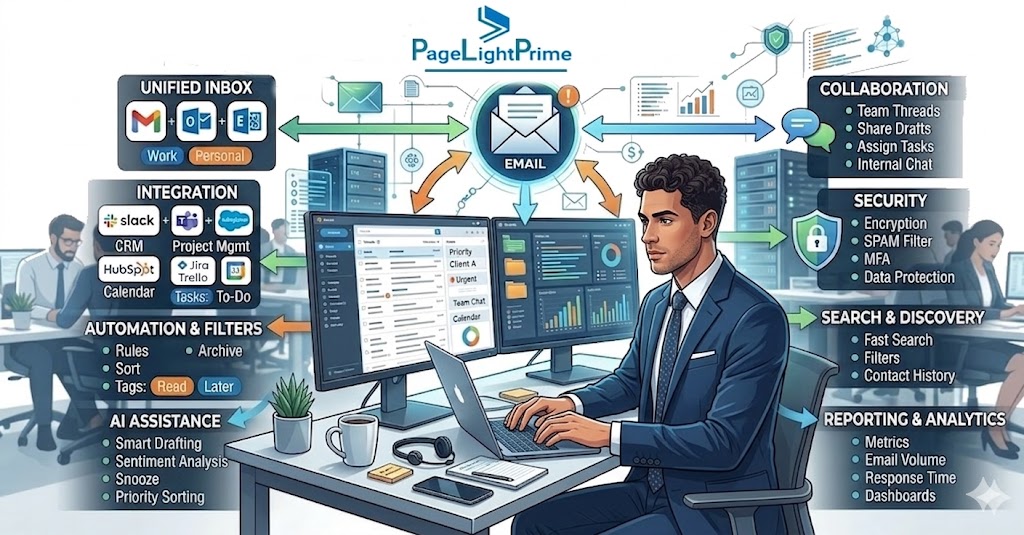
Trust accounting remains one of the most compliance-sensitive areas of legal operations.
Modern law firm accounting software increasingly automates workflows involving:
- Retainer tracking
- Client trust ledgers
- Three-way reconciliation
- Trust-to-operating transfers
- Audit-ready reporting
Integrated trust accounting software reduces manual reconciliation work while helping firms maintain compliance accuracy.
Replacing Fragmented Legal Technology Stacks
Many firms evaluating legal accounting software today are attempting to replace disconnected environments consisting of:
- Accounting software
- Billing software
- Practice management tools
- CRM platforms
- Reporting spreadsheets
Integrated legal ERP platforms simplify these environments by centralizing operational and financial data inside a single system.
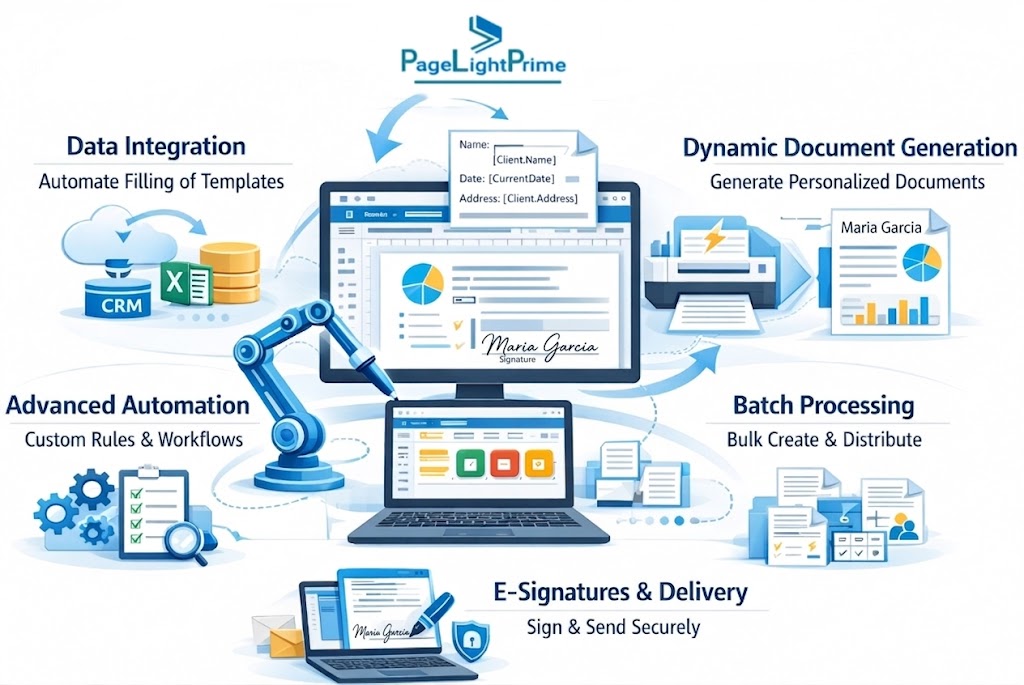
This improves:
- Reporting consistency
- Billing efficiency
- Data accuracy
- Operational scalability
- Financial visibility
- Compliance oversight
This provides significantly deeper operational insight than traditional accounting systems alone.
Microsoft 365-Based Legal Operations
An emerging trend in legal practice accounting is tighter integration with business productivity ecosystems.
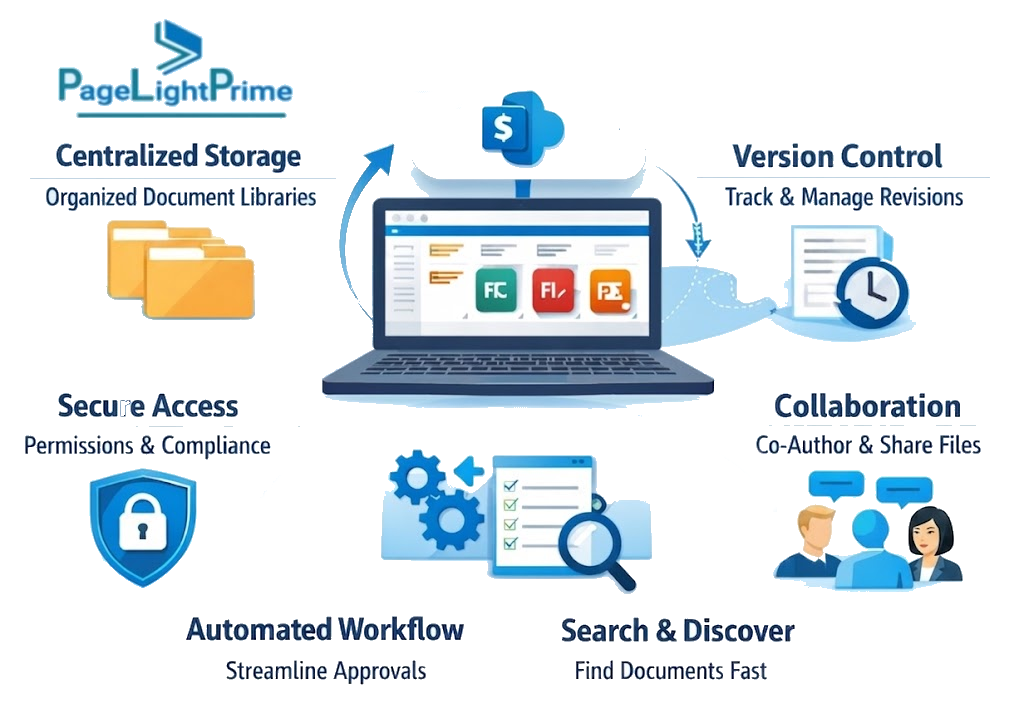
PageLightPrime is built on Microsoft 365, enabling firms to align legal accounting, collaboration, document workflows, and operational management inside the Microsoft business environment many firms already use daily.
This approach helps firms reduce operational fragmentation while improving accessibility and collaboration across legal and financial teams.
The Future of Legal Accounting Platforms
The legal industry is increasingly shifting toward platforms that combine:
- Legal accounting software
- Legal billing software
- Trust accounting
- Matter management
- Operational reporting
- Compliance controls
Inside unified legal finance software architectures.
As firms prioritize operational efficiency, profitability visibility, and compliance management, integrated legal accounting platforms are becoming central to modern law firm financial management strategies.

“
Final Thoughts
A general ledger and a legal billing system serve fundamentally different purposes.
A general ledger manages business accounting.
A legal billing system manages legal operations.
Law firms require both.
The challenge is that maintaining separate systems often creates:

This is why many modern law firms are moving toward integrated legal accounting platforms that combine:
- General ledger accounting
- Legal billing
- Trust accounting
- Matter management
- Operational reporting
Inside a unified system.
For firms evaluating legal technology in 2026 and beyond, the question is no longer whether accounting matters.
The real question is whether the firm’s systems are designed around accounting transactions — or around the actual practice of law.

“
FAQ: Frequently Asked Questions
Can QuickBooks be used for law firms?
QuickBooks can be used for basic law firm accounting, particularly for smaller firms with relatively simple operational requirements.
However, QuickBooks is not purpose-built legal accounting software.
It typically lacks advanced legal workflows such as:
- Matter-centric accounting
- Legal trust accounting
- LEDES billing
- Advanced attorney billing software capabilities
- WIP management
- Matter profitability reporting
- Complex legal invoicing workflows
As firms grow, many eventually adopt integrated legal accounting or legal finance software platforms designed specifically for law firms.
What is matter-centric accounting?
Matter-centric accounting is an accounting model where financial activity is tied directly to individual legal matters.
Instead of viewing accounting only at the company level, firms can analyze:
- Revenue by matter
- Expenses by matter
- Trust balances by matter
- Profitability by matter
- WIP by matter
- Collection performance by matter
Matter-centric accounting is a core feature of modern law firm accounting software and integrated legal accounting platforms.
Why do law firms need trust accounting software?
Law firms frequently hold client funds in trust accounts or IOLTA accounts.
Trust accounting software helps firms manage:
- Client trust balances
- Retainers
- Three-way reconciliation
- Trust disbursements
- Audit-ready records
- Matter-specific trust ledgers
Because trust accounting is heavily regulated, purpose-built trust accounting software reduces compliance risk and improves financial accuracy.
What is LEDES billing?
LEDES stands for Legal Electronic Data Exchange Standard.
It is a standardized electronic billing format commonly required by:
- Corporate legal departments
- Insurance companies
- Government entities
LEDES billing enables firms to submit legal invoices electronically using structured billing codes and formats.
Many legal invoicing software and attorney billing software platforms support LEDES billing workflows.
What is WIP in a law firm?
WIP stands for Work in Progress.
In a law firm, WIP refers to:
- Unbilled attorney time
- Unbilled expenses
- Work completed but not yet invoiced
WIP management is important because aging WIP can negatively impact:
- Cash flow
- Billing realization
- Collection rates
- Firm profitability
Modern legal accounting software typically includes WIP reporting and matter-level billing visibility.
Why do law firms use separate billing systems?
Many law firms historically used separate billing systems because traditional accounting software lacked legal-specific functionality.
Dedicated legal billing systems often provide:
- Time tracking
- Trust accounting
- Legal invoice workflows
- Matter-centric accounting
- LEDES billing
- Prebill review
- Attorney productivity reporting
However, maintaining disconnected systems can create operational inefficiencies and reporting fragmentation.
This is why many firms increasingly adopt integrated legal accounting platforms or legal ERP systems.
What is legal ERP software?
Legal ERP software refers to integrated platforms that combine multiple law firm operational functions into a unified system.
A legal ERP platform may include:
- Legal accounting software
- Matter management
- Attorney billing software
- Trust accounting software
- CRM functionality
- Financial reporting
- Operational analytics
- Document management
The goal of legal ERP architecture is to eliminate fragmented systems and provide centralized operational visibility.
What accounting features do law firms need?
Law firms typically require accounting systems that support both financial accounting and legal operational workflows.
Important features often include:
- General ledger accounting
- Trust accounting
- Retainer management
- Matter-centric accounting
- Time tracking
- Legal invoicing software
- WIP reporting
- Matter profitability analysis
- Operational reporting
- Billing realization reporting
- Collection tracking
- Compliance controls
The most effective law firm accounting software platforms combine both accounting and legal operational capabilities.
What is the best legal accounting software for small law firms?
The best legal accounting software for small law firms depends on factors such as:
- Practice area complexity
- Billing workflows
- Trust accounting requirements
- Growth plans
- Reporting needs
- Integration requirements
Small firms often prioritize:
- Ease of use
- Integrated billing and accounting
- Cloud accessibility
- Automated trust accounting
- Matter-centric reporting
- Reduced administrative overhead
As firms grow, many move toward integrated legal accounting or legal finance software platforms that combine accounting, billing, reporting, and matter management inside a single system.